Country Information
The Capital of Uruguay is Montevideo. Uruguay gained independence in 1828. Roughly 3.5 million Uruguayans live here. The official language is Spanish. Also spoken is Brasilero, a mixed variety of Portuguese and Spanish spoken on the Brazilian border. Here I am 2 hours ahead of EST. Uruguayans practice Roman Catholicism and Protestantism.
When visiting travelers will enjoy the Plaza Independencia, the mausoleum of Uruguayan hero, Jose Artiga. Travelers will also enjoy beaches in the capital like Pocitos.
A fun fact is that “Uruguay” is an indigenous Guarani word meaning “river of the colorful bird”.
Jim’s Perspectives
When in Buenos Aires, one of the best day trips to do is taking the ferry to Colonia del Sacramento in Uruguay on a day trip. You can get to Uruguay in an hour on the ferry, and the ticket is inexpensive. Remember, bring your passport as you’ll need to pass through immigration and security.
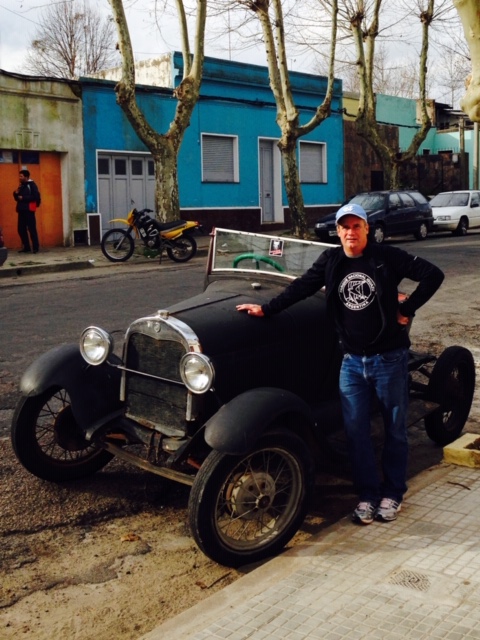
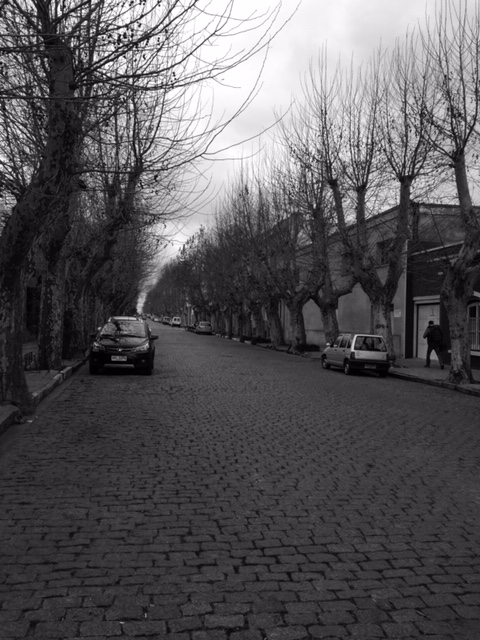
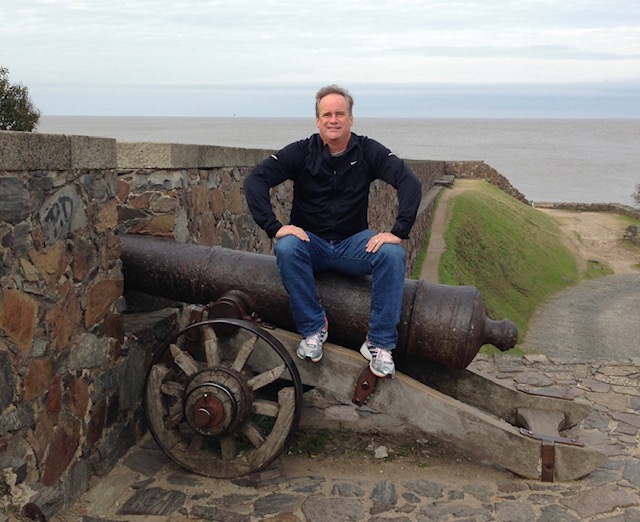
Colonia del Sacramento is in southwestern part of Uruguay, and this is an old town with cobble stone streets. Everything to see there is within walking distance. The top sights are the Lighthouse, the various shops and galleries, seeing the old cars, the beach and grabbing a bite in one of the city’s cool restaurants.
Trust me on this … one day is enough to spend here though, as I did in 2014.